SAP
AMS
Atlassian
Products
Industries & Expertise
BEST-SHORING
Knowledge Base
SALESFORCE

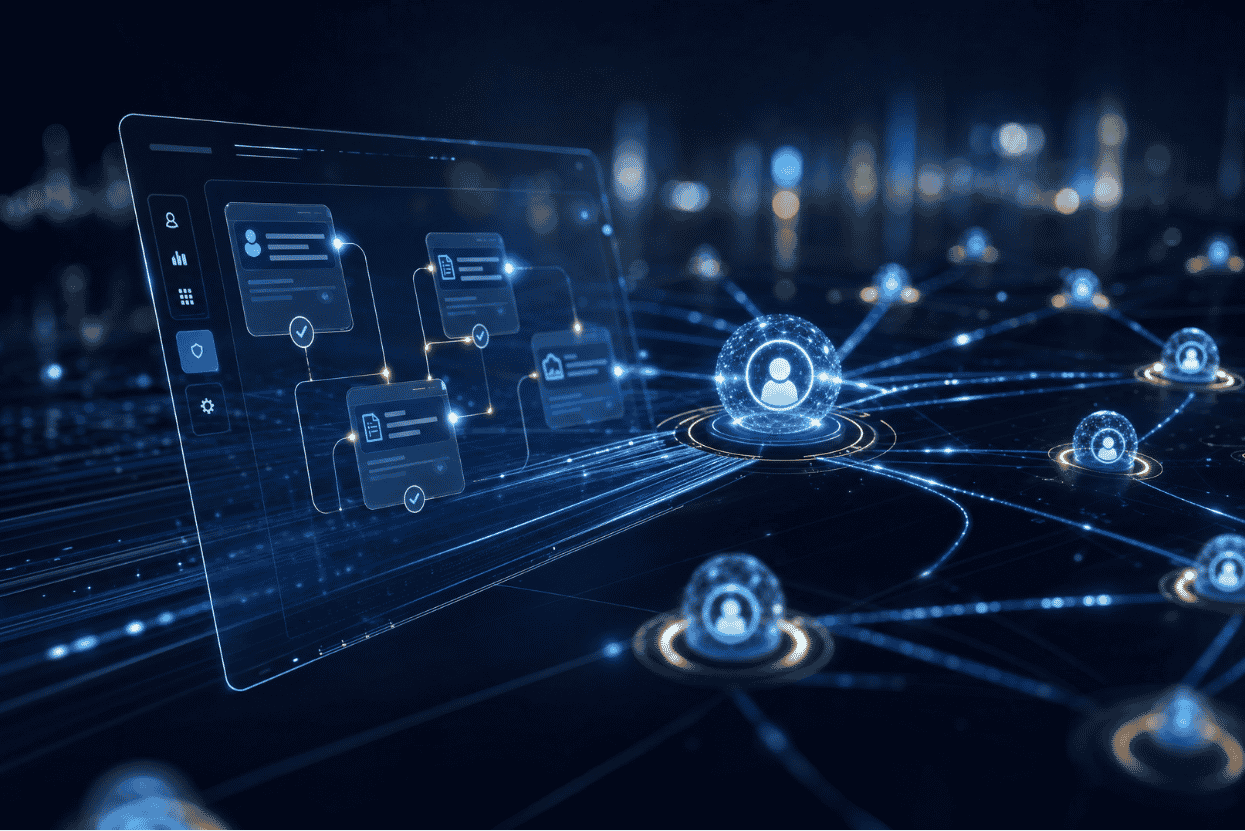
In the rush to adopt artificial intelligence, many organizations focus entirely on the underlying language models. However, the true differentiator in enterprise AI is not the model itself, but the data it can access. Atlassian's fundamental equation for the AI era is simple: Acceleration = Context × Intelligence.
At Atlassian Team '26, the company emphasized that an AI agent is only as capable as the institutional knowledge it can draw upon. This is where the Atlassian Teamwork Graph becomes the most strategically important, yet widely misunderstood, component of Atlassian's modern architecture.
The Teamwork Graph is not merely a database; it is a live, interconnected knowledge graph mapping the relationships between people, work, tools, code, and decisions. It currently encompasses over 150 billion connections across the Atlassian ecosystem.
Crucially, the Teamwork Graph extends far beyond Jira and Confluence. It maps data from over 50 connected applications, including GitHub, Figma, Workday, Slack, and Google Workspace. Whatever tools an organization relies on, the Teamwork Graph captures the context, including the hard-won nuance and historical trade-offs that only the team understands.
A major architectural decision announced at Team '26 was the opening of the Teamwork Graph to external AI tools. Atlassian recognizes that teams use a variety of AI solutions, and those solutions need access to enterprise context to be effective.
To facilitate this, Atlassian introduced two powerful new tools, both currently in open beta:
Teamwork Graph MCP Server
The Model Context Protocol (MCP) is becoming the standard for how AI models access external data. The Teamwork Graph tools in the Rovo MCP Server give any MCP-compliant agent—such as Claude, GitHub Copilot, or Cursor—a secure, standardized way to query the Teamwork Graph. This allows external agents to act with live ownership data, historical context, and project relationships.
Teamwork Graph CLI
For technical users and coding agents operating in the terminal, the Teamwork Graph CLI provides direct access to organizational context. With over 360 commands, it allows developers and agents to both read from and write back to the graph, all while administrators maintain strict control over scopes and permissions.
The richness of the Teamwork Graph is the fuel that powers Atlassian Rovo, the company's suite of AI agents. Because Rovo agents sit on top of this graph, they can execute complex, cross-functional tasks that require deep context.
For example, when a Rovo agent is asked to draft a post-incident review, it doesn't just generate generic text. It queries the Teamwork Graph to pull the original Jira Service Management alert, the Slack conversation where the incident was triaged, the Bitbucket pull request that caused the issue, and the Confluence runbook used to resolve it.
This level of contextual awareness has led to a 7x increase in agentic automations across Atlassian customers in just the last six months, with Rovo now utilized by 75% of the Fortune 500.
For software engineering teams, the Teamwork Graph enables a new feature currently in early access: Rovo Code Intelligence. This allows engineers and AI agents to ask intent-level questions across complex, multi-repo environments.
Instead of simply searching for specific strings of code, a developer can ask, "Which services still use an outdated UI pattern, and who owns the migration plan?" By combining the source code graph with context from Jira and Confluence, Rovo can answer these complex queries in one place.
Furthermore, to measure the impact of these AI tools, Atlassian has integrated capabilities from its acquisition of DX. Engineering leaders can now track AI return on investment through the DX AI experience. Features like Agent Experience Score, AI Code Insights, and AI Pulse make AI activity visible and governable within the software development lifecycle, allowing teams to identify bottlenecks in agent performance just as they would in human workflows.
The AI-native organization is not built on generic language models; it is built on proprietary context. The Atlassian Teamwork Graph provides the essential infrastructure to unify fragmented enterprise data and make it actionable for AI agents. By opening this graph to both Atlassian's own Rovo agents and third-party tools, Atlassian is positioning itself as the foundational context engine for the future of work.
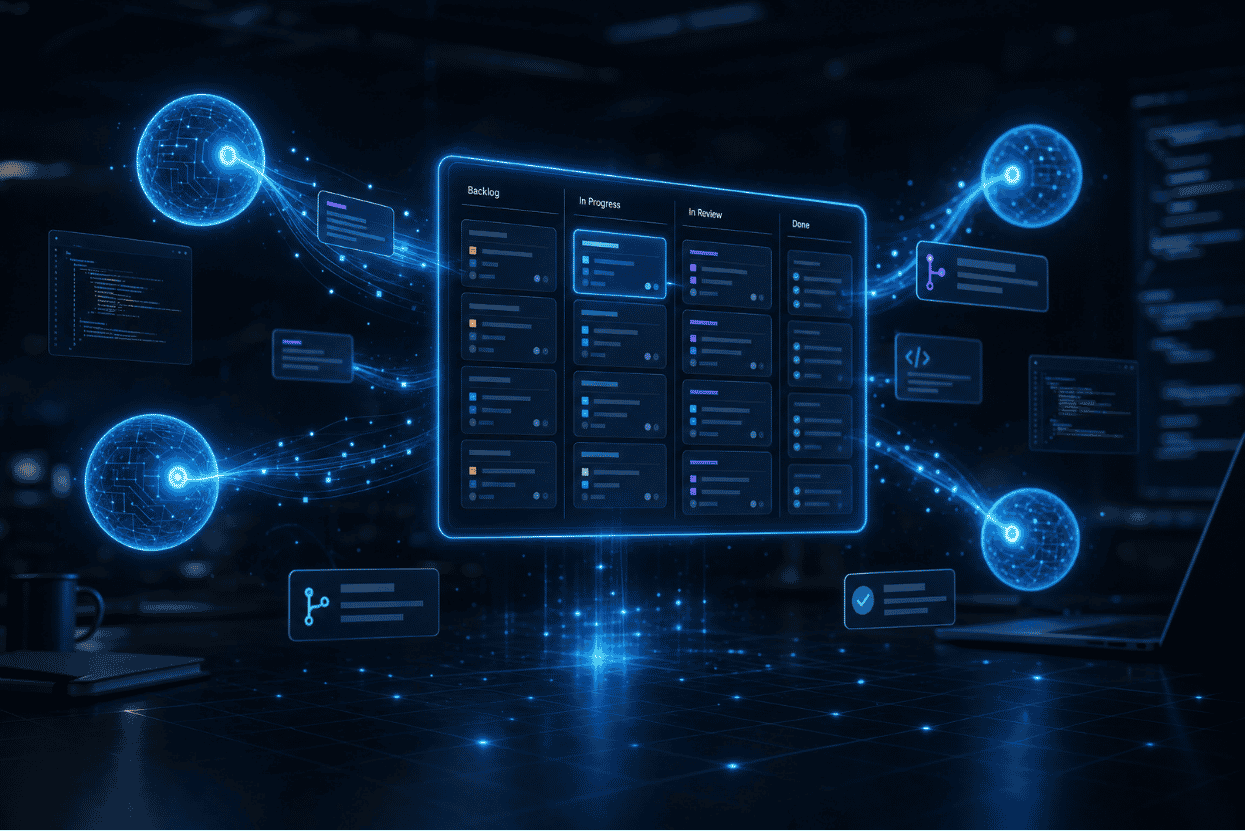
Software development is shifting from human-only workflows to human-agent collaboration

Atlassian Cloud is rapidly becoming the non-negotiable platform for enterprises. This s
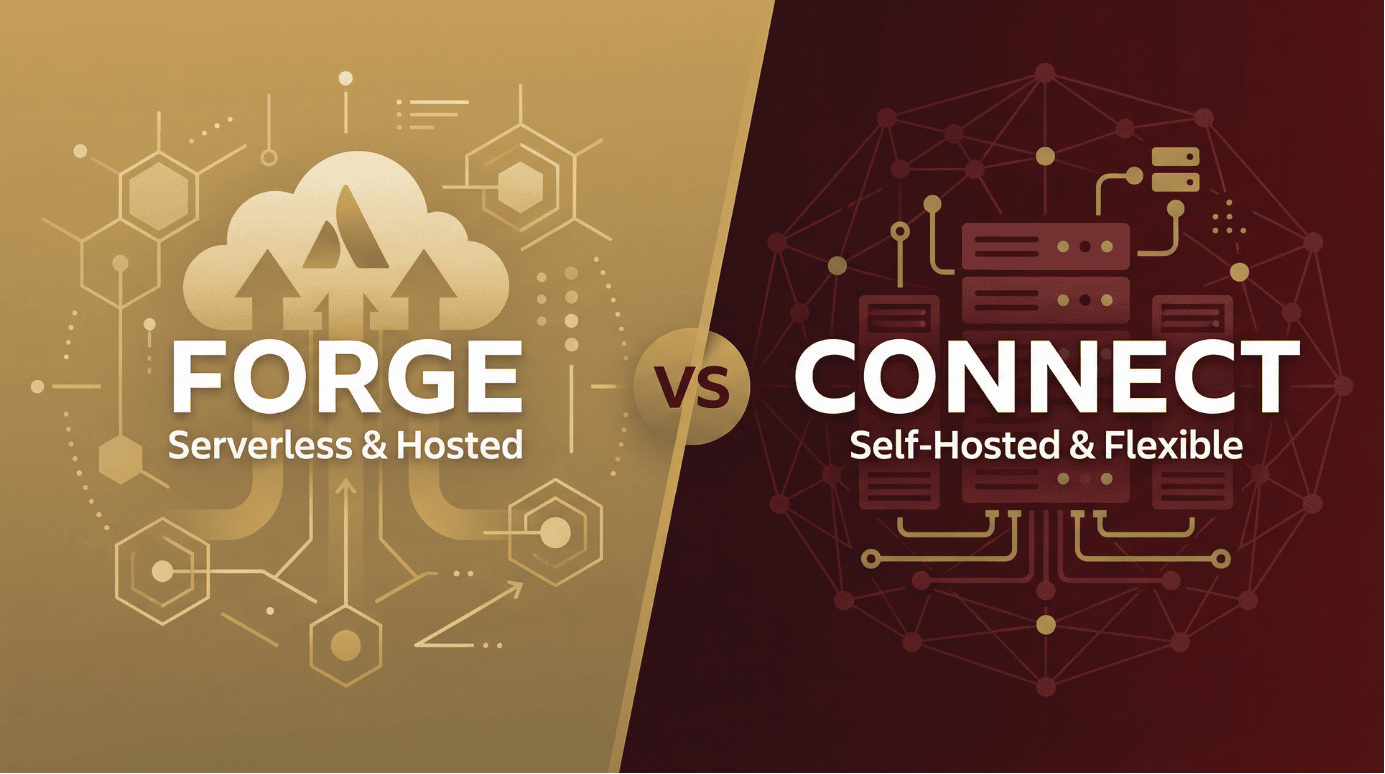
Atlassian Forge vs Connect: What's the difference? Forge is Atlassian's serverless plat